
Money can be one of the biggest sources of stress in your life, especially when you feel like you’re constantly trying to catch up. Maybe you’ve dealt with unexpected expenses, struggled to save, or found yourself unsure about where your money is actually going. When your finances feel out of control, it affects your daily decisions and long-term goals. Improving your financial health doesn’t have to be overwhelming, though.
With a few steady steps, you can start making choices that give you confidence and peace of mind throughout the year.
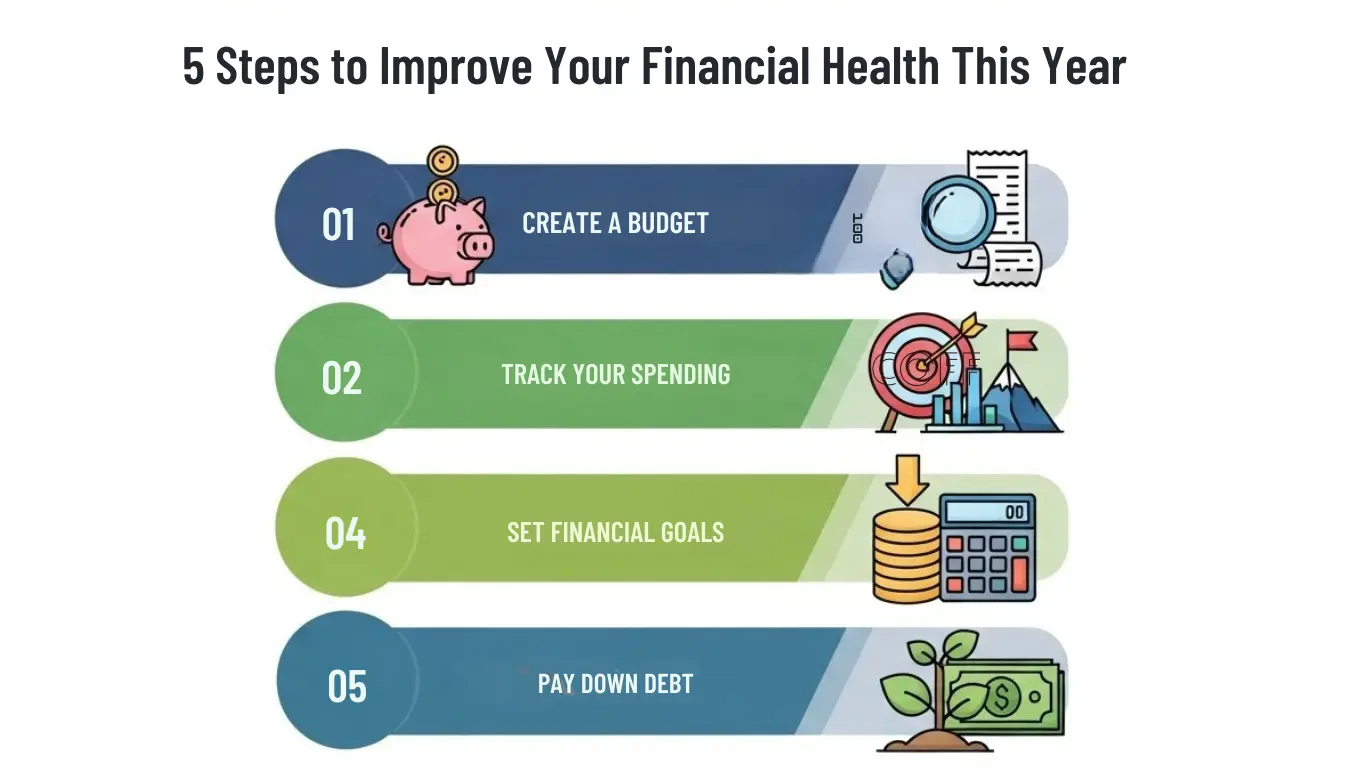
Take Control of Your Budget for a Stronger Balance
The first step toward better financial health is understanding where your money goes. When you track your income and expenses, you get a clearer picture of your habits. You begin to see which costs are necessary and which ones can be reduced.
Having this clarity helps you create a realistic budget that supports your needs without adding pressure. Even small adjustments can make a noticeable difference over time. As you stick to your plan, you’ll feel more confident knowing you’re moving in the right direction, even if the progress feels slow at first.
Plan for the Future with Retirement Planning
Looking ahead is just as important as managing today. When you explore options for retirement planning in Tempe or your area, you start preparing for what your life could look like years from now. This doesn’t mean you need to have everything figured out immediately. It means taking simple steps now so you can enjoy more stability later.
Staying organized with your taxes is part of that bigger picture. APSI taxes can help you keep your documents in order and understand how your annual filings fit into your long-term goals. When your records are clear, it becomes easier to focus on saving and planning without feeling overwhelmed.
Strengthen Your Emergency Safety Net
A strong financial foundation includes having money set aside for unexpected moments. Building an emergency fund gives you security when life throws surprises your way. You don’t have to save a large amount all at once.
Consistent small deposits can grow into something meaningful over time. This safety net helps you avoid going into debt when sudden expenses come up. It also gives you the freedom to make measured decisions instead of reacting out of stress.
Reduce Your Debt in a Manageable Way
Debt can weigh heavily on your mind, especially when it feels like it’s taking too long to pay off. Improving your financial health means finding a strategy that works for your situation. You can start by organizing your debts and identifying which ones are costing you the most.
Once you understand your priorities, you can build a repayment plan that fits your income and responsibilities. Progress may seem slow at first, but each payment brings you closer to financial freedom.
Create Habits That Support Long-Term Stability
Improving your financial health doesn’t happen overnight. It comes from developing habits that support your goals throughout the year. Staying mindful of your spending, reviewing your budget often, and making intentional choices help you stay on track.
Even small habits, like setting reminders to save or checking your accounts once a week, can make a big difference. These routines guide your decisions and help you stay focused, even during busy times.
Conclusion
Improving your financial health is not about making dramatic changes all at once, it is about building steady habits that strengthen your foundation over time. By taking control of your budget, planning for retirement, creating an emergency safety net, reducing debt in a manageable way, and practicing routines that support long-term stability, you set yourself up for lasting confidence and peace of mind.
Each step may feel small, but together they create meaningful progress. With consistency and awareness, you can move through the year knowing your finances are becoming stronger, more organized, and better prepared for whatever life brings.